

Preparing Your Toyota for New England Winters
When winter is on the way in New England, the last thing you want is to find out your Toyota is not ready for the challenge. With heavy snow, ice, road salt, and freezing temperatures, winter weather in Massachusetts puts extra stress on every part of your vehicle. Preparing early not only helps you stay safe on the road, it also protects your Toyota from long-term damage. Here is what the team at Wellesley Toyota recommends before the next storm hits.
Check Your Battery Health
Cold temperatures can reduce your battery power, making it harder for your Toyota to start on frigid mornings. If your battery is more than three years old or has been showing signs of weakness, it is worth getting it tested. A quick inspection at our service center can identify whether the battery needs charging, cleaning, or replacement so you are not left stranded during a snowstorm.
Inspect Your Tires and Tread Depth
Good traction is essential for navigating snowy and icy roads. Check your tire tread depth and make sure each tire has the proper air pressure. Cold weather causes tire pressure to drop, and even a small decrease can affect handling. For the best traction, consider switching to winter tires. They are designed with a flexible rubber compound that grips better than all-season tires in freezing temperatures.
Test Your Brakes
Stopping distances increase on snow and ice, which makes strong, responsive brakes more important than ever. If you have noticed squeaking, grinding, or a soft brake pedal, now is the time to schedule a brake inspection. Our technicians can check the pads, rotors, and brake fluid to make sure everything is working at peak performance.
Check Antifreeze and Engine Fluids
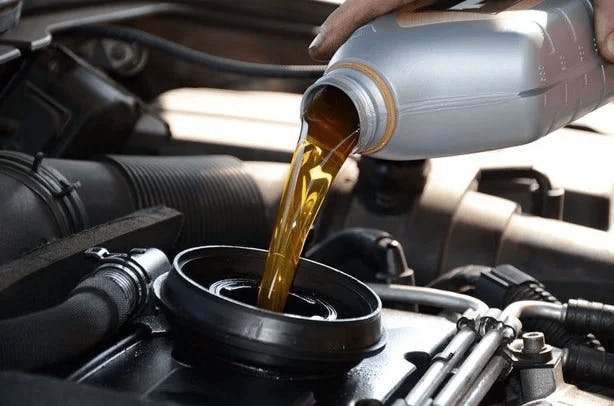
Your Toyota depends on the right blend of coolant to protect the engine in freezing temperatures. Make sure your antifreeze level is correct and suitable for New England winters. While checking coolant, also inspect engine oil, windshield washer fluid, and transmission fluid to make sure everything is topped off and ready for winter weather.
Replace Wiper Blades and Refill Washer Fluid
Visibility is one of your best defenses during a storm. If your wipers are smearing or skipping, replace them before snow and ice arrive. Make sure your washer reservoir is filled with winter-rated washer fluid that will not freeze in low temperatures.
Inspect Your Lights
Short winter days and heavy snowfall can make visibility difficult for you and other drivers. Check that your headlights, taillights, brake lights, and turn signals are all working properly. If lenses look cloudy or dim, ask our team about restoration or bulb replacement.
Protect the Undercarriage From Salt Damage
Road salt is harsh on your vehicle undercarriage and can cause rust over time. Before winter weather arrives, consider an undercarriage wash or rust-prevention treatment. After each major storm, rinsing the underside of your Toyota helps reduce the risk of corrosion.
Stock an Emergency Kit
Even with proper preparation, winter storms can be unpredictable. Consider keeping an emergency kit in your Toyota that includes items like:
- a snow brush and ice scraper
- jumper cables
- a small shovel
- blankets
- a flashlight and extra batteries
- bottled water and snacks
- a phone charger
- traction aids or sand
Schedule a Pre-Storm Inspection
The best way to be fully prepared is to have your Toyota inspected by professionals who understand the demands of New England winter driving. At Wellesley Toyota, our factory-trained technicians can check your battery, brakes, tires, fluids, wipers, and more to ensure your vehicle is ready for whatever the next snowstorm brings. Schedule your service before the height of the winter hits.